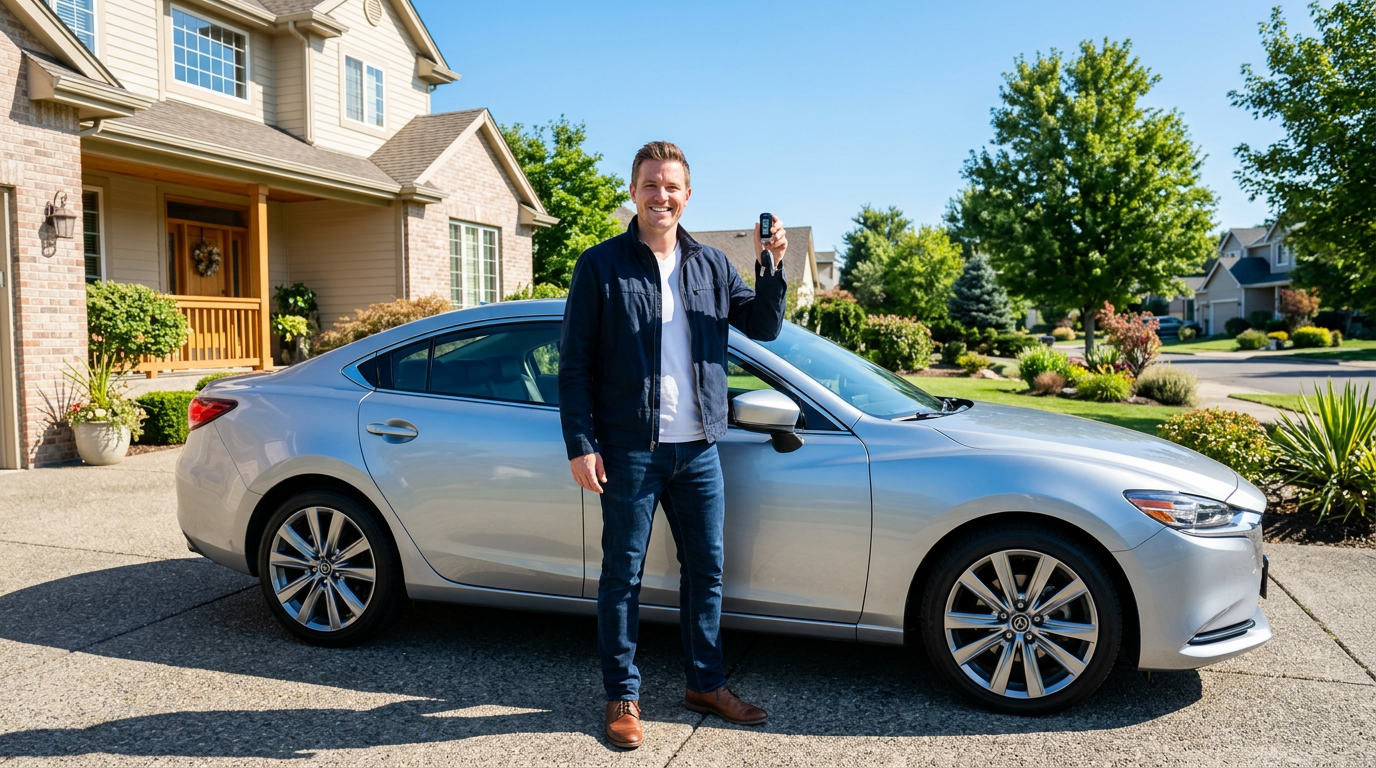
- Do you have “full coverage” on your car—or just think you do?
- That phrase sounds reassuring, but in insurance, it doesn’t mean one exact policy
- What people call full coverage usually means a combo of liability, collision, and comprehensive
HOOK
Do you have “full coverage” on your car—or just think you do? That phrase sounds reassuring, but in insurance, it doesn’t mean one exact policy. [Visual: Driver looking at insurance app on phone, confused]
→ Call (888) 509-1516 for a free insurance agent estimate — answered 24/7, no obligation.
KEY POINT 1
What people call full coverage usually means a combo of liability, collision, and comprehensive. Liability helps cover damage you cause to others. Collision helps pay for damage to your car in a crash. Comprehensive covers things like theft, vandalism, hail, or hitting an animal.
KEY POINT 2
→ Get (888) 509-1516 on the line and price your job now — answered 24/7, no obligation.
But here’s the catch: even “full coverage” has limits and deductibles. If your deductible is high, you could still pay a lot out of pocket before insurance kicks in. And if you only carry liability, your own car damage may not be covered at all.

No comments:
Post a Comment