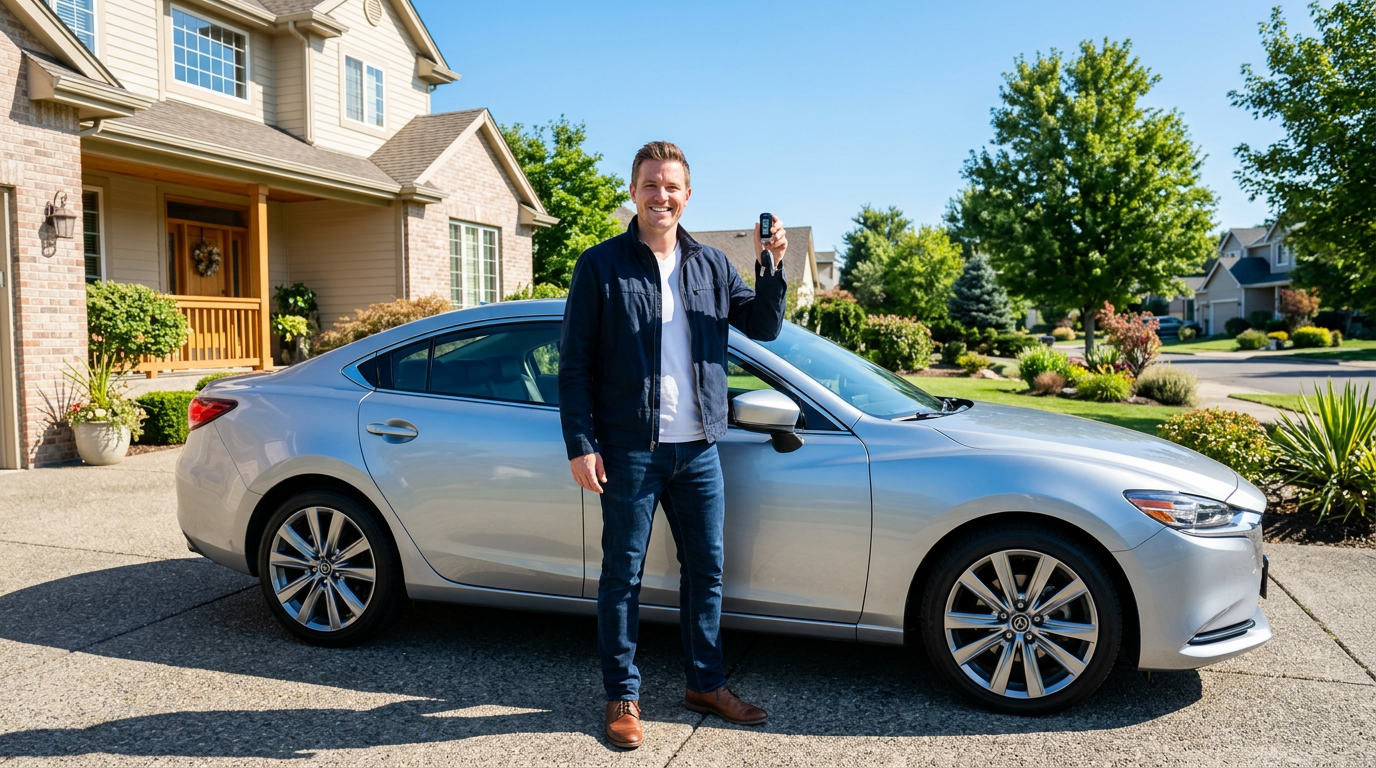
- Would I be able to replace this car if it were totaled?
- Could I afford a large repair bill out of pocket?
- Am I still making loan or lease payments?
Buying a used car often changes the way you should shop for auto insurance. The car may be older, less expensive to replace, and more likely to have wear-and-tear issues that affect repair decisions.
That does not mean the cheapest policy is always the right one. It means you should compare coverage more carefully, with the vehicle’s age, condition, and value in mind.
→ Call (888) 509-1516 for a free insurance agent estimate — answered 24/7, no obligation.
If you are shopping for insurance on a used car, focus on the parts of the policy that affect how much you pay after a claim, how your car is repaired, and whether the policy fits the way you actually drive.
Start with the car’s value and condition
The first step is to think about what your used car is worth and how you would handle a major repair or total loss.
If the car is older or has a lower market value, you may want to question whether paying for full coverage still makes sense. On the other hand, if the vehicle is still valuable, recently purchased, or financed, broader protection may still be worth considering.
It helps to separate emotional value from insurance value. A car may be important to you, but the insurer will generally look at its actual cash value and repair costs when determining a claim.
Ask yourself these practical questions
- Would I be able to replace this car if it were totaled?
- Could I afford a large repair bill out of pocket?
- Am I still making loan or lease payments?
- Does the car have newer safety features that could affect repair costs or premiums?
→ Get (888) 509-1516 on the line and price your job now — answered 24/7, no obligation.
Compare liability, collision, and comprehensive coverage
Every state except New Hampshire requires some form of auto insurance liability coverage for drivers, and lenders usually require additional coverage on financed cars. But when you are insuring a used car, the bigger question is how much protection you need beyond the minimum.
Liability coverage pays for injuries or property damage you cause to others. It does not cover your own car. If you have limited assets or drive frequently, higher liability limits may be worth comparing even if the state minimum is low.
Collision coverage helps pay to repair or replace your car after a crash with another vehicle or object. Comprehensive coverage applies to noncollision losses such as theft, hail, fire, vandalism, or hitting an animal.

No comments:
Post a Comment