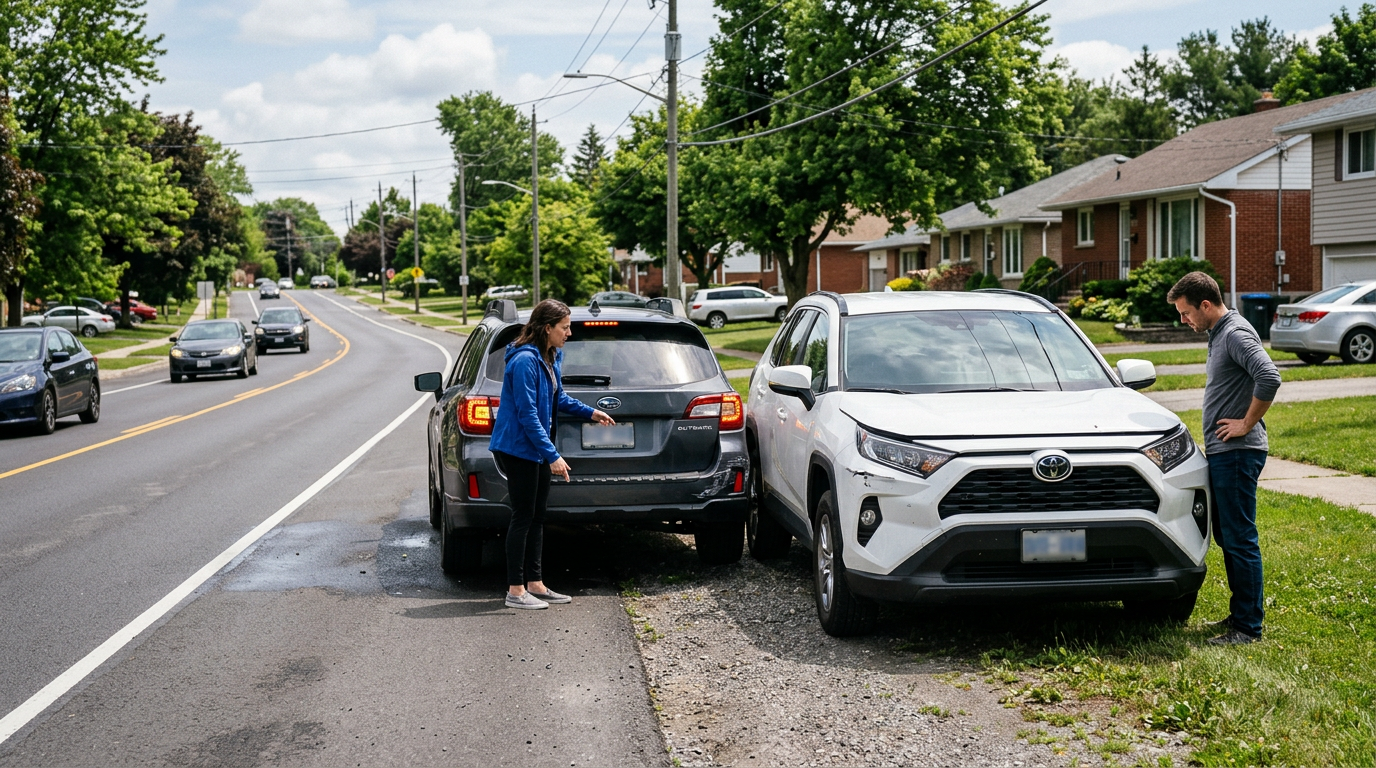
- Liability coverage helps pay for injuries or property damage you cause to others
- Collision coverage helps pay to repair or replace your car after a crash with another vehicle or object
- Comprehensive coverage helps with non-crash losses such as theft, vandalism, fire, hail, or hitting an animal
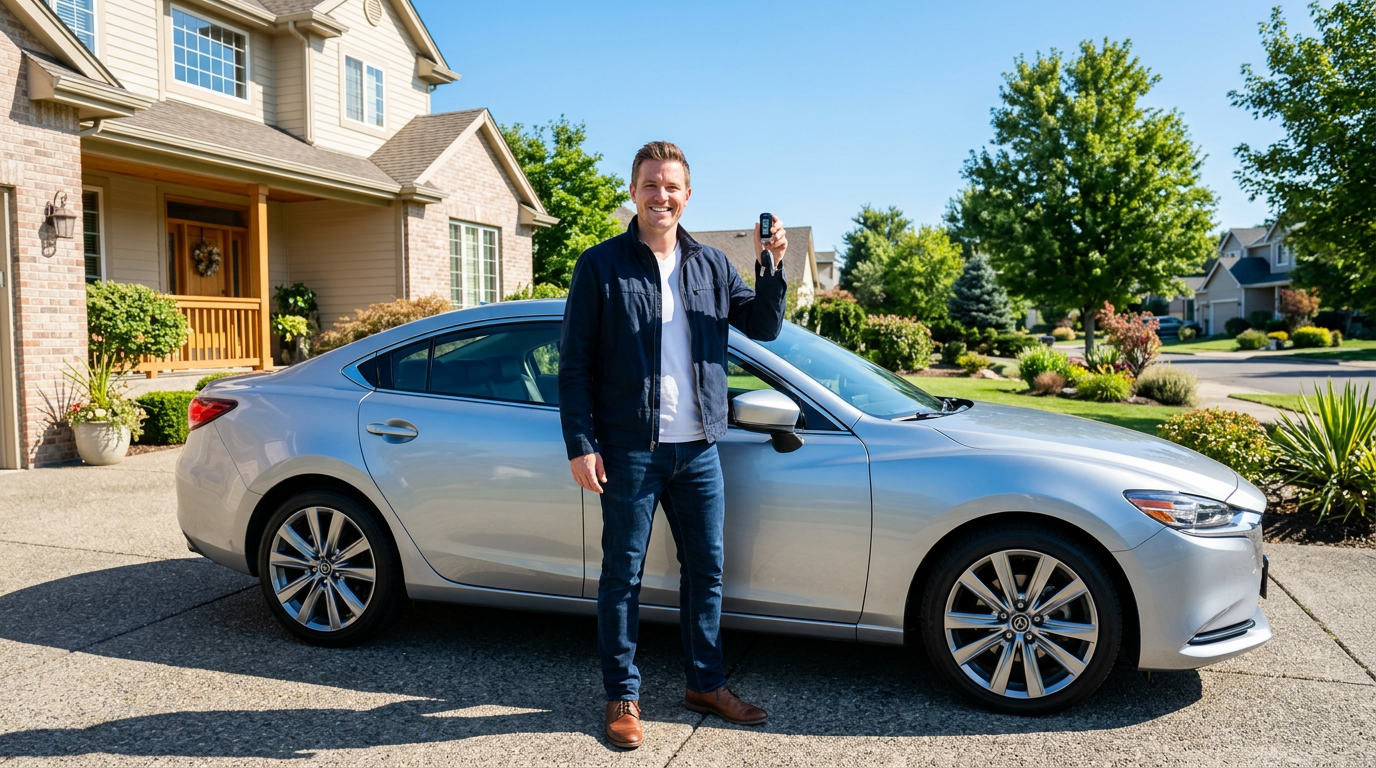
Buying a new car is exciting, but the insurance decision can be just as important as the test drive. A new vehicle can change how much coverage you need, what deductibles make sense, and whether add-ons like gap insurance are worth a closer look.
If you are shopping for coverage on a brand-new car, the goal is not to buy the most insurance possible. It is to match your policy to the car’s value, your budget, and the risk you are willing to take on yourself.
→ Call (888) 509-1516 for a free insurance agent estimate — answered 24/7, no obligation.
The right choice often comes down to a few key coverages and how they work together.
Start with the coverages that matter most
Every auto policy has a core structure. Before you add extras, make sure you understand the basics and how they protect a new car.
- Liability coverage helps pay for injuries or property damage you cause to others.
- Collision coverage helps pay to repair or replace your car after a crash with another vehicle or object.
- Comprehensive coverage helps with non-crash losses such as theft, vandalism, fire, hail, or hitting an animal.
- Medical payments or personal injury protection may help cover certain medical costs, depending on your state and policy.
For a new car, liability still matters, but collision and comprehensive are often the center of the conversation because they protect the car itself. If you are financing or leasing, your lender or leasing company will usually require certain coverages, which narrows your choices.
Why a new car often needs more than state minimums
State minimum liability limits may satisfy the law, but they may not be enough to protect your finances if you cause a serious accident.
→ Get (888) 509-1516 on the line and price your job now — answered 24/7, no obligation.
That concern exists for any driver, but it can be easier to overlook when you are focused on the car’s monthly payment.
A new car also tends to have a higher replacement or repair cost than an older one. That means skipping collision or comprehensive could leave you paying out of pocket if the car is damaged.
Even a minor accident can involve expensive parts, sensors, and bodywork.
When you compare policies, look beyond the premium and ask what the policy would actually do after a loss. A lower monthly cost is less helpful if the coverage would leave you with a large bill later.

No comments:
Post a Comment