
- Names, phone numbers, and driver’s license details
- Insurance company names and policy numbers, if available
- License plate numbers and vehicle descriptions
Even a low-speed fender bender can leave drivers unsure about what to do next. If the damage looks small, you may wonder whether to file an auto insurance claim at all, how to document the scene, and what your insurer will ask for later.
A calm, organized approach can make the process much easier.
→ Call (888) 509-1516 for a free insurance agent estimate — answered 24/7, no obligation.
This guide walks through the practical steps to take after a minor accident, with a focus on protecting yourself, preserving evidence, and understanding when a claim may be worth filing.
First, make sure everyone is safe
Before you think about insurance forms or repair estimates, check for injuries and move to a safe location if you can do so without risk. Turn on hazard lights, stay aware of traffic, and call emergency services if anyone may be hurt.
Even when a crash seems small, it is worth taking a moment to look for pain, dizziness, or confusion that may not be obvious right away.
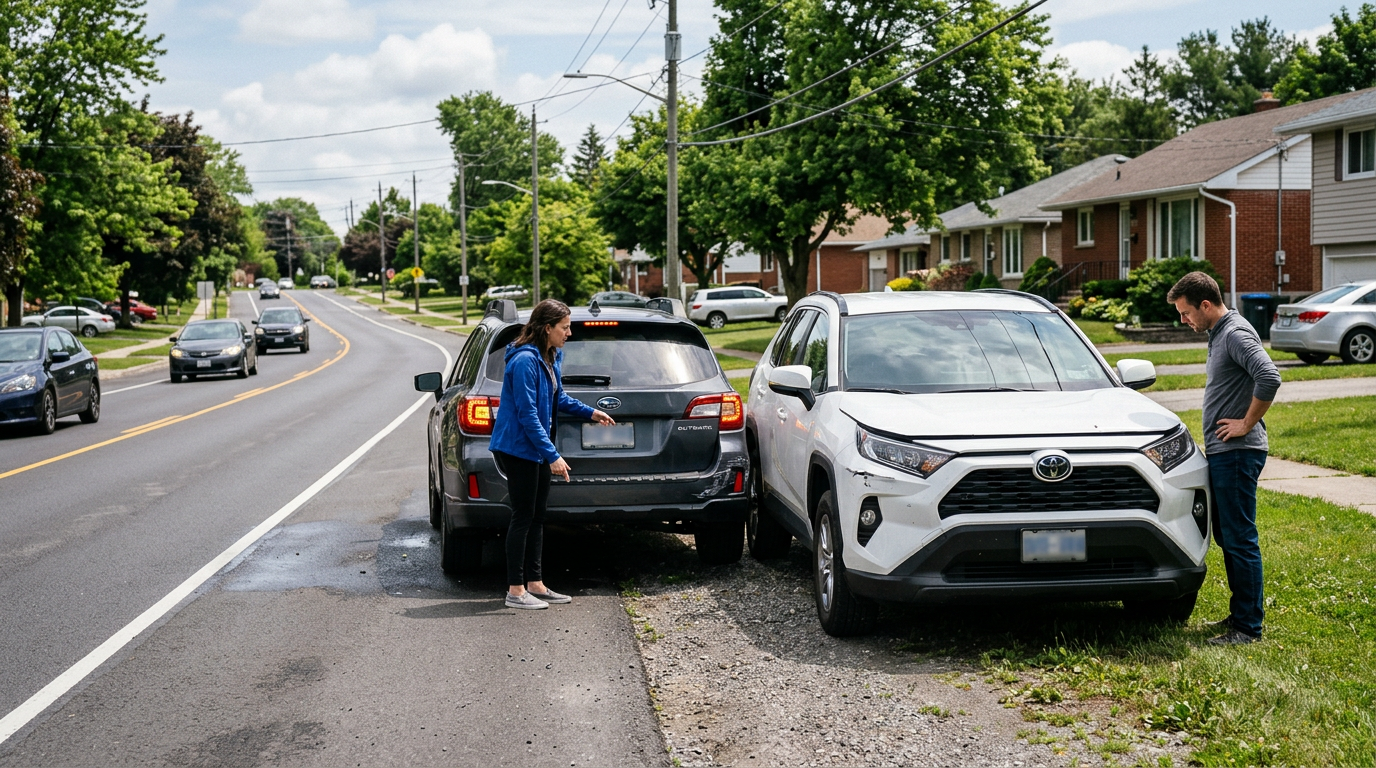
If the vehicles are drivable and you are not blocking traffic, the next step is usually to exchange information and gather details. Keep the conversation factual and avoid arguing about fault at the scene.
Information to collect at the scene
- Names, phone numbers, and driver’s license details
- Insurance company names and policy numbers, if available
- License plate numbers and vehicle descriptions
- Date, time, and exact location of the crash
It also helps to write down your own notes while the event is fresh in your memory. Small details, such as weather, lane position, or whether brakes were applied, can be useful later if the claim is reviewed.
→ Get (888) 509-1516 on the line and price your job now — answered 24/7, no obligation.
Report the crash to your insurer promptly
After you leave the scene, contact your insurance company as soon as reasonably possible. Many insurers let you report a claim by phone, online, or through a mobile app.
If you are unsure whether to file, you can often start by reporting the incident and asking what documentation will be needed before the claim is officially opened.
Be ready to share the facts in a clear, concise way. You will usually be asked for the following:
- What happened, in order
- Where and when the crash occurred
- Who was involved
- Whether police were called
If a police report was filed, ask how to provide the report number or a copy once it is available. If you were not able to get certain details at the scene, tell the insurer what you do have rather than guessing.

No comments:
Post a Comment